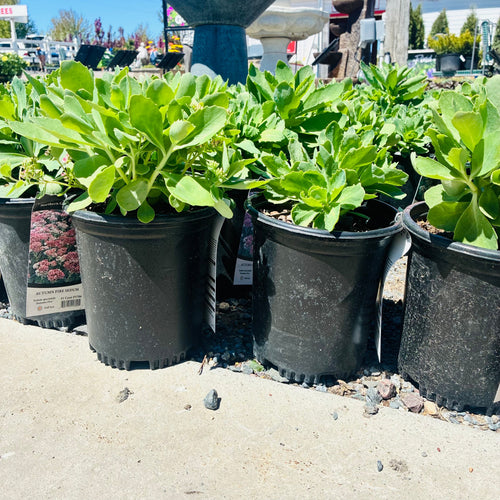
Annabelle Hydrangea

Annabelle Hydrangea
Minnesota's Most Reliable Snowball Hydrangea for Shade Gardens
Annabelle Hydrangea (Hydrangea arborescens 'Annabelle') is the most foolproof hydrangea you can plant in Minnesota — blooming reliably every summer on new growth, regardless of how brutal the previous winter was. Massive 8-12 inch white flower clusters appear in early summer and hold their color into fall. Whether you are anchoring a shaded foundation bed in Edina, filling a Minneapolis backyard border, or creating a cottage garden centerpiece in Eden Prairie — Annabelle gets the job done.
Annabelle Hydrangea Plant Details
| Attribute | Detail |
|---|---|
| Scientific Name | Hydrangea arborescens 'Annabelle' |
| Common Names | Annabelle Hydrangea |
| Mature Size | 3-5 ft tall × 4-6 ft wide |
| Growth Rate | Moderate to fast — 18-24 inches per year |
| Sun | Full sun to part shade. In Minnesota, full sun produces the best bloom — they tolerate the cooler summers. |
| Water | Prefers consistent moisture, especially in first two years. Mulch deeply to retain. |
| USDA Zones | 3-8 (Twin Cities is zone 4b–5a). Reliable to -35°F. |
| Soil | Tolerates Minnesota clay-loam. Prefers organic-rich soil — amend with compost at planting. |
| Foliage | Deciduous — green leaves, drops in fall |
| Winter Hardiness | Reliable to -35°F. |
| Deer Resistance | Moderately deer-resistant |
| Bloom | Massive 8-12 inch white snowball flower clusters in early summer, holding into fall |
| Native Status | Minnesota native or native-derived — supports the Lawns to Legumes program |
Annabelle Hydrangea Uses in Minnesota Landscapes
Showpiece shrub for full sun
Panicle hydrangeas are the most reliable hydrangea for Minnesota full sun. Massive flower panicles in mid-summer hold their show into fall as they dry on the plant.
Mixed shrub borders
Pairs beautifully with cold-hardy ornamental grasses, native bee balm, and other zone 4 shrubs. Adds vertical structure to a Twin Cities cottage garden.
Foundation plantings
Used as anchor shrubs at corners or flanking entries. Their dried winter flower heads provide structure and interest against snow cover.
Best Time to Plant Annabelle Hydrangea in Minnesota
Fall (late August–early October) is the ideal planting window. Soil is still warm for root development, cool air reduces transplant stress, and the plant gets 6–8 weeks to establish roots before ground freeze (typically mid-November in the Twin Cities).
Spring (late April–May) is the second-best window — the plant gets the full growing season to establish before its first winter.
Avoid summer planting (June–August) when possible. Never plant after mid-October or before late April — frozen ground or frost-heaving kills new roots.
How to Plant Annabelle Hydrangea
- Dig wide, not deep. 2–3× the root ball width, same depth as the container. Heavy clay benefits from even wider digging.
- Check drainage. Fill the hole with water — if it doesn't drain in 30 minutes, mound-plant or break through any clay hardpan to improve drainage.
- Backfill with native soil + 20–30% compost. Minnesota clay-loam benefits from organic amendment but don't create a "container" of pure compost.
- Spacing. Refer to the mature width above and space accordingly. Closer for hedging, wider for individual specimen plants.
- Water basin. Build a 3–4 inch ring around the planting to direct water to the roots. Flatten or remove before winter to avoid ice damage.
- Mulch. 2–3 inches of shredded bark or wood chip mulch, kept 2 inches away from the trunk. Do NOT use gravel mulch in Minnesota — it doesn't insulate.
Watering Annabelle Hydrangea in Minnesota
First Year Watering Schedule
- Weeks 1–2: Every 1–2 days, deep and slow (15–25 minutes per plant)
- Month 1–2: Every 3–4 days
- Month 3–6: Every 5–7 days during active growth; less if rainfall is adequate (Minnesota averages ~3 inches/month June–August)
- Stop watering 2–3 weeks before ground freeze (typically late October in the Twin Cities metro) to avoid pushing late-season growth that gets killed by winter
After Year One
Established plants only need supplemental water during droughts (2+ weeks with no rain and temps above 80°F). Water deeply and infrequently — every 7–14 days during dry spells, soaking to 6–8 inches depth. Let natural rainfall do most of the work.
Pruning Note
Prune in early spring before new growth. Paniculata blooms on new wood — cut back hard for larger flowers, lighter for more (but smaller) blooms.
What is the difference between Annabelle Hydrangea and similar shrubs?
Most foolproof hydrangea for Minnesota — blooms reliably on new wood every year. This makes it a strong choice when you want white-flower, summer-bloom, shade-tolerant in a Minnesota-tested plant.
Will Annabelle Hydrangea survive a Minnesota winter?
Yes — 3-8 (Twin Cities is zone 4b–5a). Reliable to -35°F. Annabelle Hydrangea is among the most reliable hydrangeas for Twin Cities zone 4b–5a yards. First-year plants benefit from a deep mulch ring and adequate fall watering before ground freeze.
Is Annabelle Hydrangea deer-resistant?
Moderately deer-resistant In high-pressure areas like Minnetonka, Wayzata, Eden Prairie, or Chanhassen, plan accordingly — deer fencing or repellent for the first year is a worthwhile insurance policy.
Does Annabelle Hydrangea tolerate Minnesota clay soil?
Tolerates Minnesota clay-loam. Prefers organic-rich soil — amend with compost at planting. At planting, dig wide (2–3× the root ball width) and amend with 20–30% compost. Avoid creating a sunken "container" of pure compost in the clay — the plant should transition gradually to native soil.
When is the best time to plant Annabelle Hydrangea in Minnesota?
Fall (late August through early October) is the ideal planting window — soil is still warm for root development, cool air reduces transplant stress, and plants get 6–8 weeks to establish before ground freeze. Spring (late April through May) is the second-best window.
When does Annabelle Hydrangea bloom?
Massive 8-12 inch white snowball flower clusters in early summer, holding into fall
You May Also Like
- Shop all Three Timbers Minnesota shrubs — full catalog of zone 4-hardy shrubs for Twin Cities yards
- Deer-Resistant Plants — for high-pressure suburbs like Minnetonka, Wayzata, and Eden Prairie
- Winter Interest Plants — plants that look great through Minnesota's five-month winter
- Find Your Perfect Plant — answer 5 questions and we'll recommend a plant for your yard
How Many Annabelle Hydrangea Do I Need?
For a massed border or informal flowering hedge, space Annabelle 4 feet apart (mature width 4–6 ft — closer spacing helps the stems hold each other up):
| Run Length | Plants Needed |
|---|---|
| 10 ft | 3 |
| 20 ft | 6 |
| 30 ft | 8–9 |
| 40 ft | 11 |
For a foundation corner or entry, a group of 3 spaced 4 feet apart makes the classic full Annabelle look.
Annabelle Hydrangea Season-by-Season in Minnesota
- Spring: Fresh shoots push from the base — it blooms entirely on new wood, so even a -35°F winter never costs you a single flower.
- Summer: Enormous 8–12 inch white snowball blooms open in early summer and keep coming for weeks.
- Fall: Flower heads age from white to soft lime to parchment, still handsome in the border.
- Winter: Dried flower heads stand on the stems and catch snow — leave them up and cut back in early spring.
At a Glance
✔ Shade-Tolerant ✔ Four-Season Interest
Plant It With
- Limelight Hydrangea — a taller panicle hydrangea that picks up blooming as Annabelle's flowers age.
- Fanal Astilbe — deep red plumes for the same moist, part-shade conditions.
- PJM Rhododendron — evergreen structure and early spring bloom beside Annabelle's summer show.
- Ivory Halo Dogwood — variegated foliage and red winter stems to carry the bed after leaf drop.
Is Annabelle Hydrangea Right for Your Yard?
It's the right pick for a morning-sun or part-shade bed with rich, consistently moist soil — north and east foundations, shaded borders, and cottage gardens where you want guaranteed summer bloom no matter the winter. Not a fit for hot, dry, sandy sites that bake all afternoon; and after a heavy rain the big blooms can flop, so plant in groups or give them a low support.
Plants Twin Cities Gardeners Pair with Annabelle